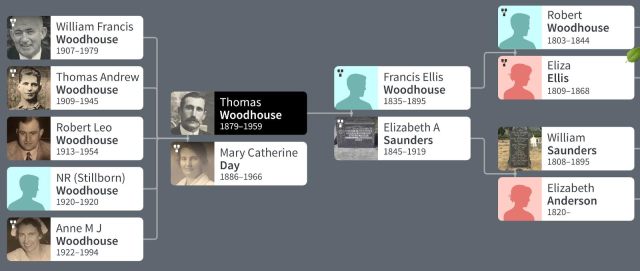
Francis (Frank) Ellis Woodhouse is the youngest son of Robert Woodhouse and Eliza Ellis. His earliest encounters are detailed in their chapter of the family tree blog and his story continues here at the discovery of gold on the Teviot River.
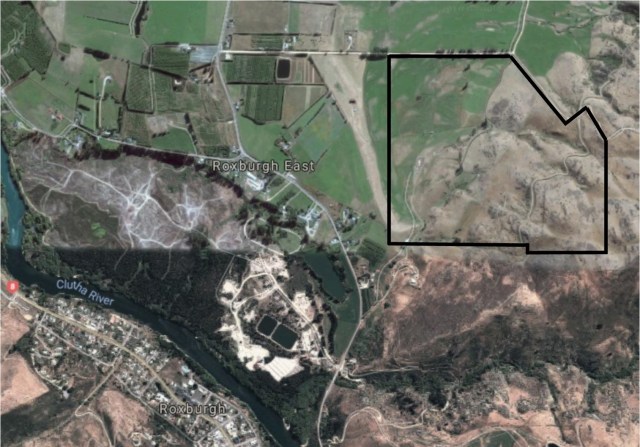
History in its many versions tells us that James and Frank Woodhouse, their step-father George Corden and Andrew Young found the first gold in the Teviot, with Miners Rights being issued at Mt Benger on 8 October 1862 to all four. They were on their way from Gabriel’s Gully to the Dunstan rush along the east bank of the Molyneux (Clutha) River when they came across the Teviot river. After crossing the river they took time to dry out their clothes, and while waiting they filled in time with some tentative prospecting of the river. Their results were so good that they decided to stay put, pegged out their claims at the junction of the two rivers, and so began gold mining in the area. They then stayed as pioneer settlers in the district to be later known as Roxburgh.

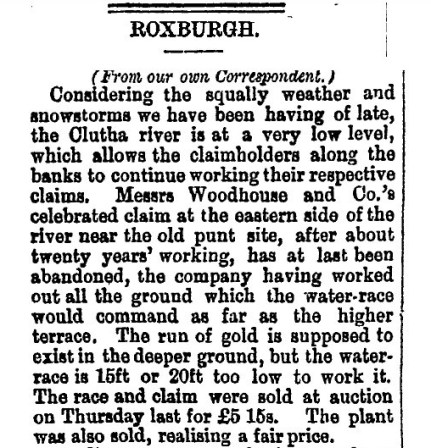
Frank mined at first with James and the others and all four of the group applied for protection of their (shared) claim. Newspapers make frequent mention of two separate mining companies of “Woodhouse and party” and “Woodhouse and Co” over the next two decades.
Around 1865 Frank Woodhouse appears to have met his fate in the form of Elizabeth Anderson Saunders, a literate, bright, and capable Irish girl ten years his junior. She had emigrated as “a woman of good character” on the ship “Victory” which arrived in Otago in July 1863.
Frank and Elizabeth were officially married on 3 March 1869 in the old St Joseph’s Church, Dunedin, by Father Moreau, but they had been ‘a couple’ for several years previously and already had two children. The marriage may have been prompted by the impending arrival of Elizabeth’s parents, William and Elizabeth Saunders, who had decided to emigrate and subsequently also settled in Roxburgh.
Their partnership lasted thirty years and produced nine sons and three daughters – William Saunders (1866-1933), Eliza (1867-1933), Mary Elizabeth (1869-1953), Francis (1870-1921), George Gordon (1872-1916), Robert (1874-1897), John Ellis (1876-1956), Archibald Steele (1877-1954), Thomas (1879-1959), Andrew Young (1884-1909), Margaret (1885-?) and Albert Henry (1886-1965).
They all of thrived to adulthood and that alone speaks volumes for Elizabeth’s domestic skills, as very few families in Victorian times escaped the loss of infants or young children.
After almost 10 years of profitable mining Frank wanted to focus more of his time in farming therefore reduced some of his holdings in mining to lease land very near to the original claim.
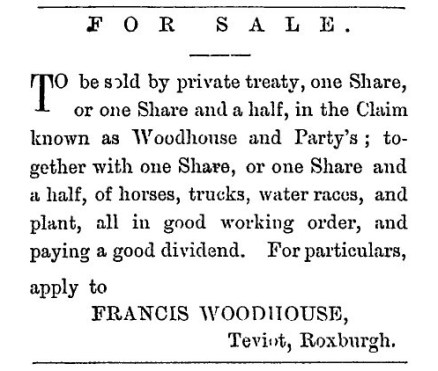
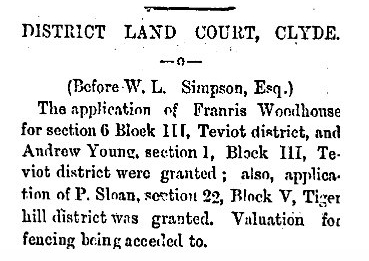
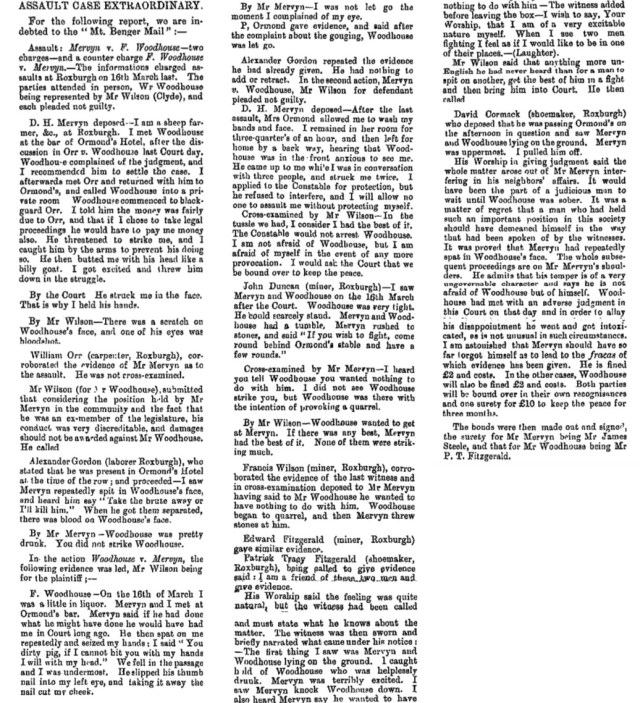
Frank experienced significant highs and lows and one such event was reported in the paper. The other party could be considered as somewhat of an agitator due to his name appearing in several articles that showed him to have an unreasonable attitude to others. I’m sure that prepared him well in his future endeavours in politics at both local and national level.
Unfortunately in 1882, when the New Zealand economy was becoming increasingly depressed, gold prices were falling and times were hard, both Frank Woodhouse and Andrew Young, who had mined together and then farmed side-by-side together had now become nearly bankrupt together. They were unable to meet their financial commitments and was declared insolvent on 3 March 1882.
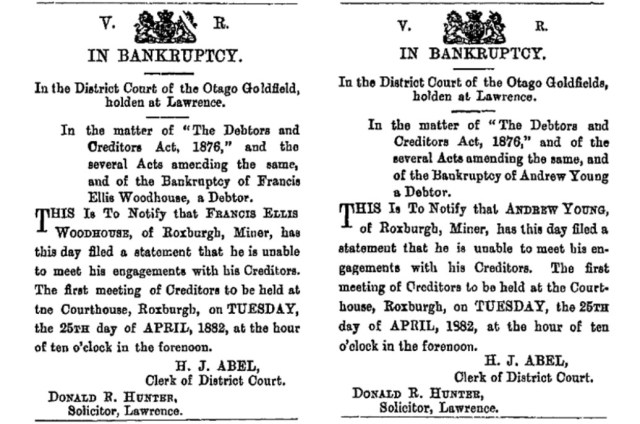

Note: A debtor may execute a deed of arrangement without any involvement of the court for the benefit of their creditors. This is an alternative way for a debtor to deal with their affairs than entering into bankruptcy. Deeds of arrangement require the approval of a simple majority of creditors in number and value, and do not require a nominee, report to court or a meeting of creditors to be held. However, such deeds are rarely used, as they do not prevent a bankruptcy petition from being presented by a non-consenting creditor.
Over the next five years Frank ends his mining and farming interests in Roxburgh and turns his focus to the Bendigo area, this time with a publican and accommodation license.
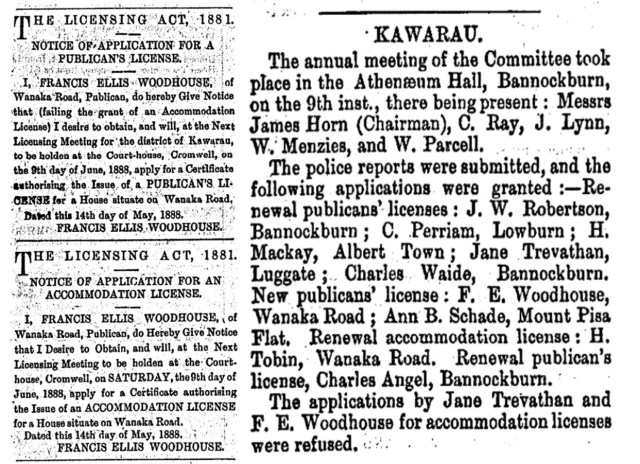
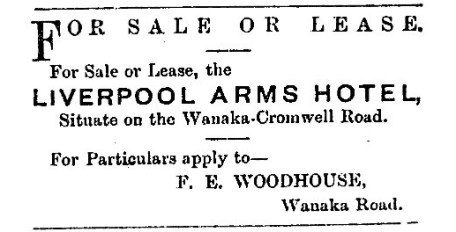
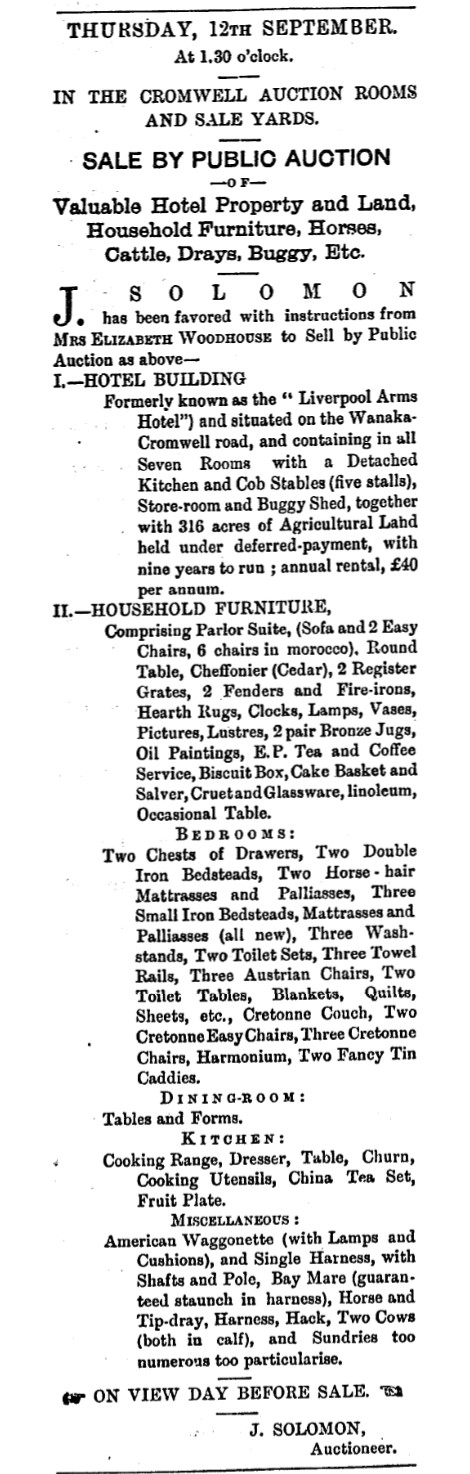
The above license is for the Liverpool Arms that Frank and Elizabeth established along Wanaka Rd, however, their first attempt at hospitality was unsuccessful due to being unable to secure the accommodation license. They try to sell the business as a going concern, but after that fails they sell everything as they are already looking to Bannockburn as their next and final venture.
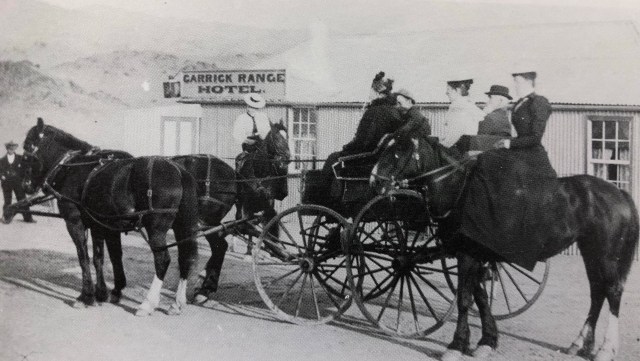
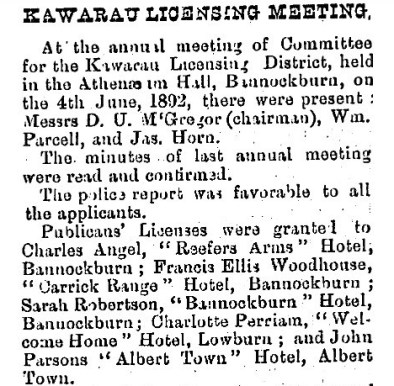
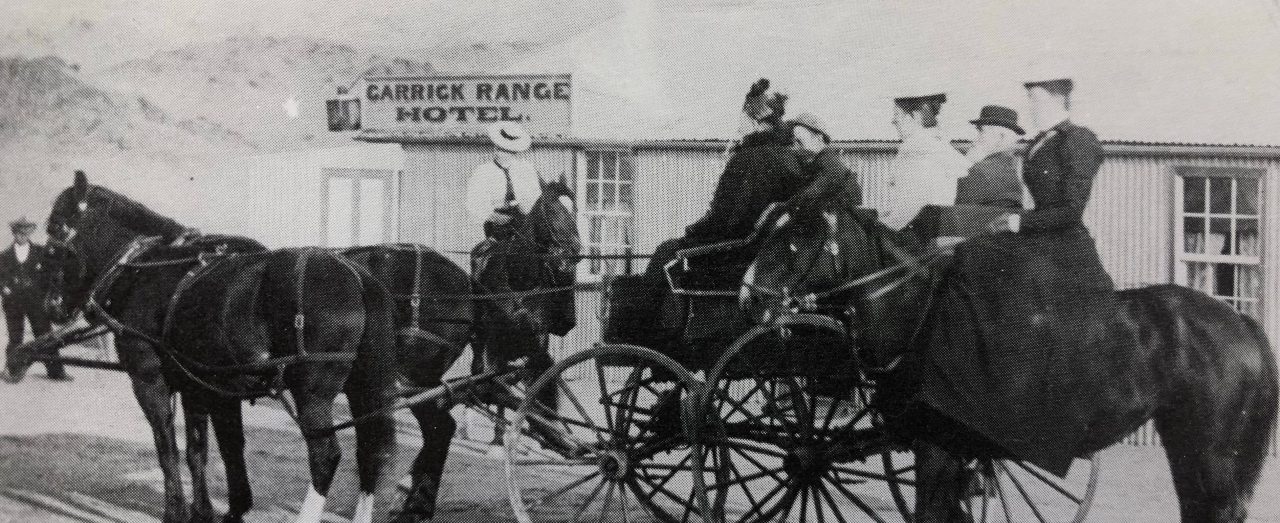
They take over the Carrick Range Hotel in Bannockburn and despite the fact that the license is held by Frank it was predominantly run by Elizabeth with the help of her two oldest daughters Eliza and Mary.
Elizabeth’s father William, who was living with them by this stage, passed away on 6 August 1895. Frank too was in failing health as he had been suffering from Bright’s disease, (a painful and incurable kidney condition, which today we would call chronic nephritis ) and he died from its complications at the hotel on 23 November 1895. He was sixty years old.
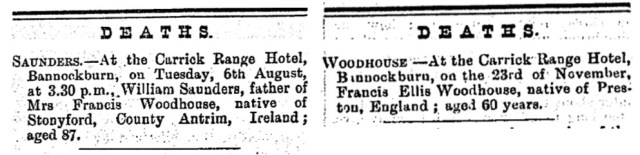
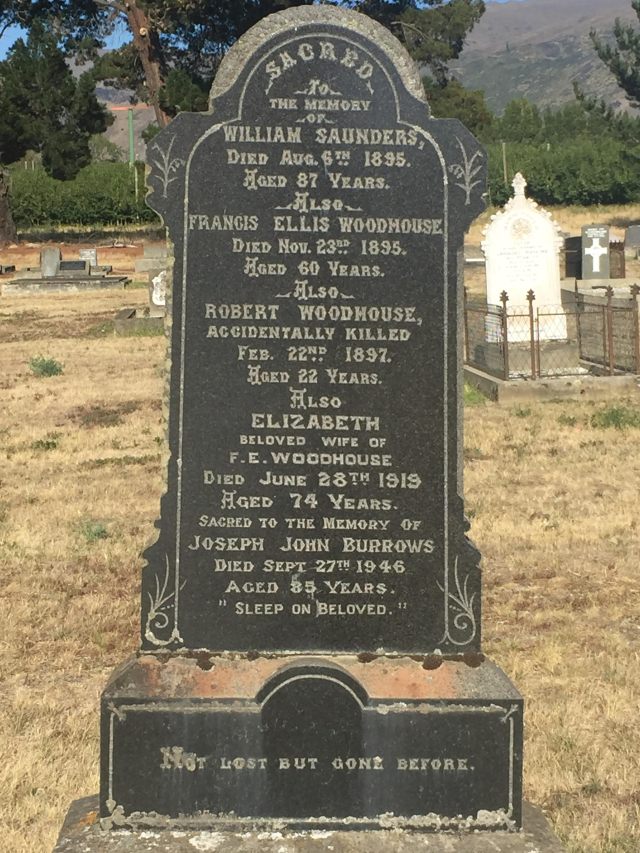

Elizabeth takes over the publicans license and the running of the hotel until she sells it in 1897. Earlier that same year she had to also deal with the tragic death of her son Robert who died in a mining accident while working his claim at Duffer’s Gully on the Carrick Range. He was only 22 years old.
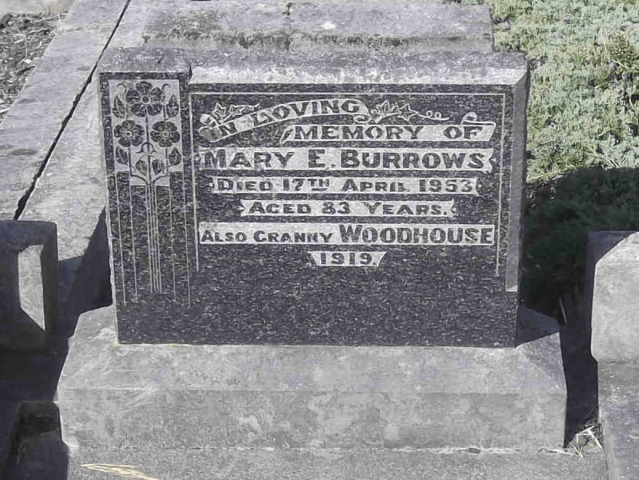
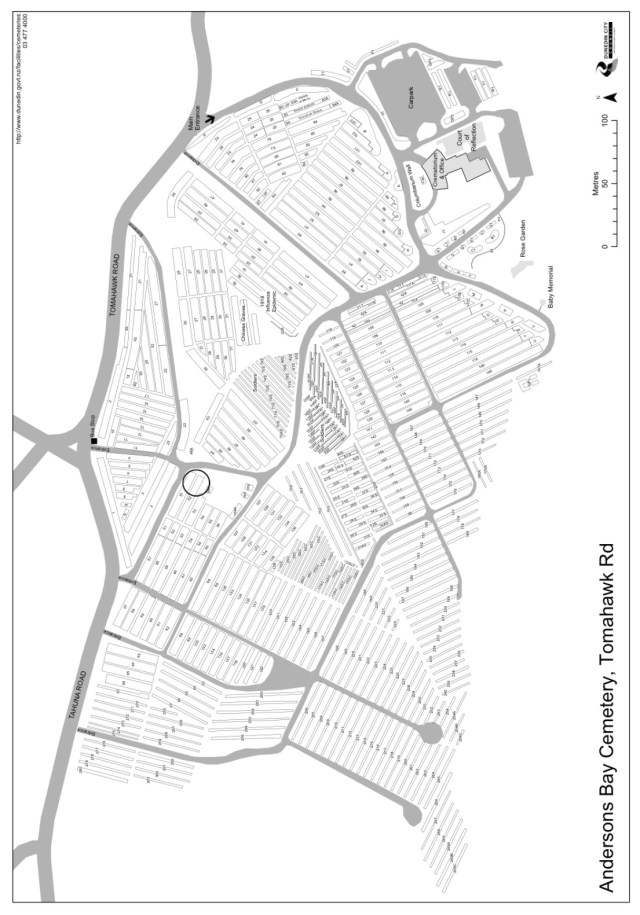
In 1908 Elizabeth finally moved to Dunedin and lived on the Main Rd in NEV in 1911. She shifted to 135 Leith St by 1914 and when she passed away she was living back in NEV in Islington St with her oldest daughter Eliza Clarke’s family. She is burried at the Andersons Bay Cemetery with her daughter Mary Burrows.
 Our Golden Pioneers